Posted by Sean Miller on Fri, Feb 17, 2012 @ 07:09 PM

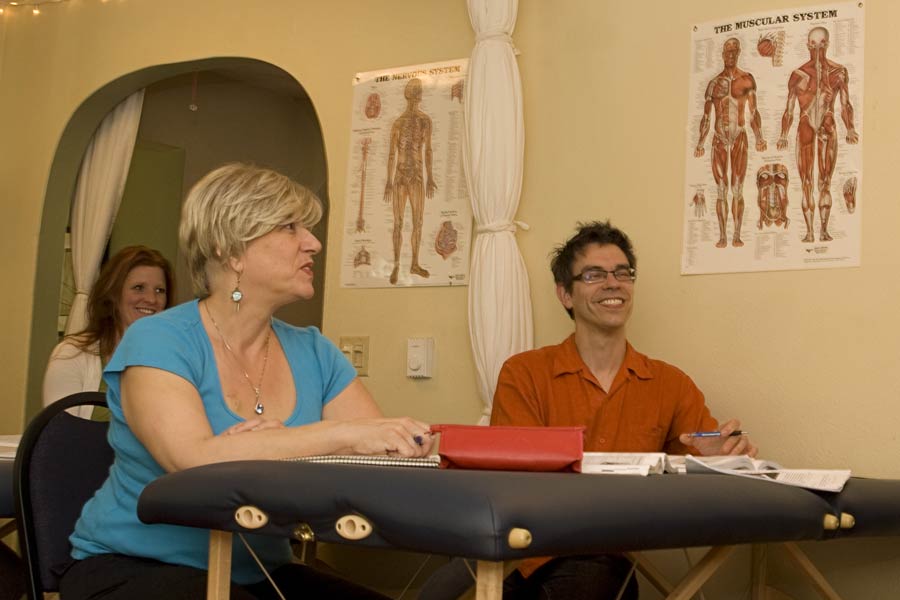
So you've made the decision to attend a massage school and pursue an affiliated career. The next choice you need to make is a specialty to pursue within the massage therapy world. The specific modalities available are too numerous to count but most fall into a few categories.
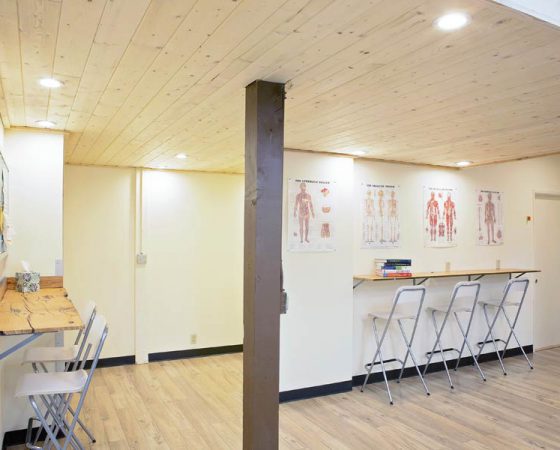
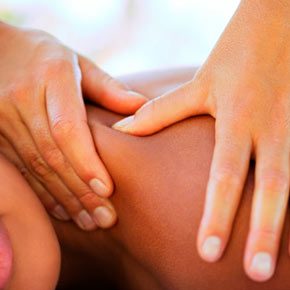
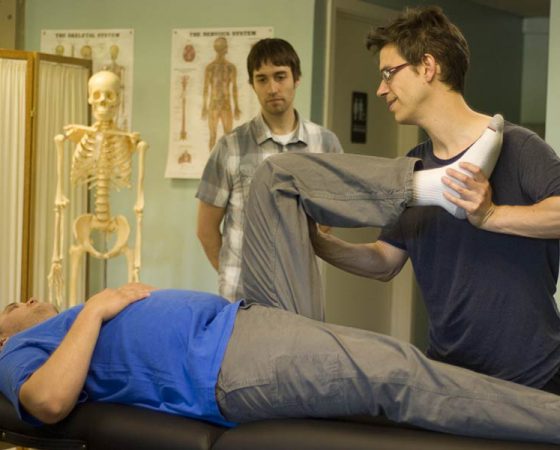
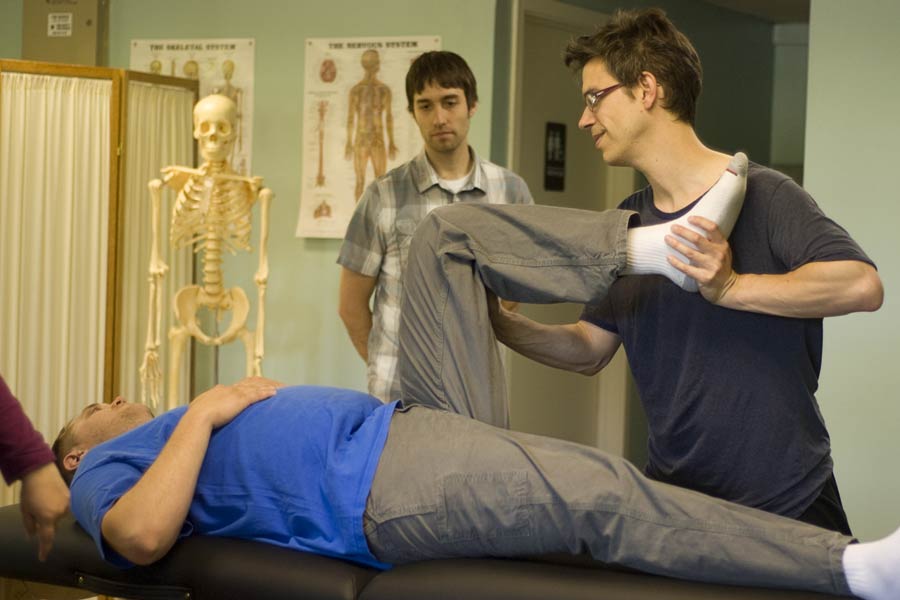
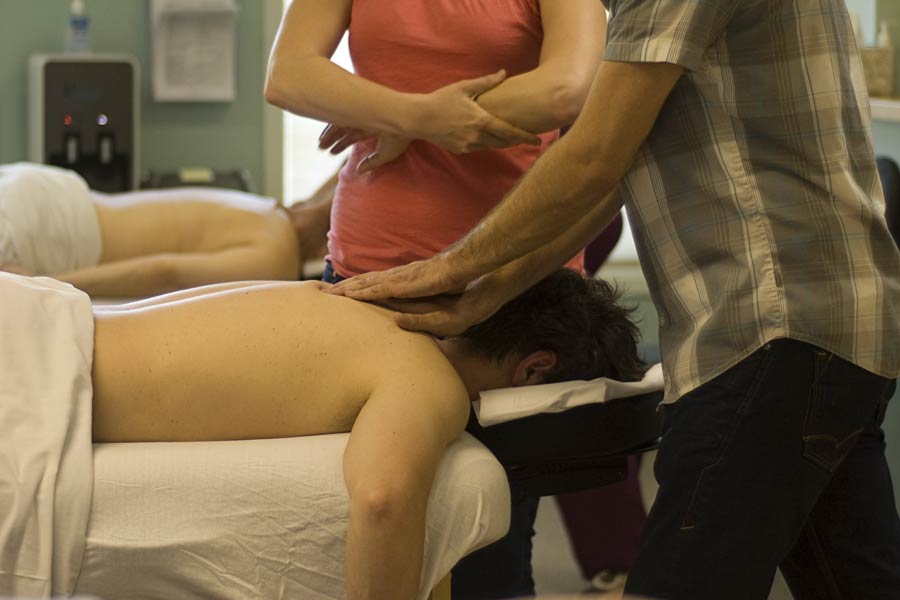
Medical massage and injury rehabilitation Those with interests and/or backgrounds in sports and anatomy may find this area of specialty best suits them. Within this area of practice you'll find yourself treating individuals with wide array of chronic pain or injuries and can expect to use techniques such as cross fiber friction, myofascial release, and trigger-point therapy. Sports teams and chiropractors often seek these services
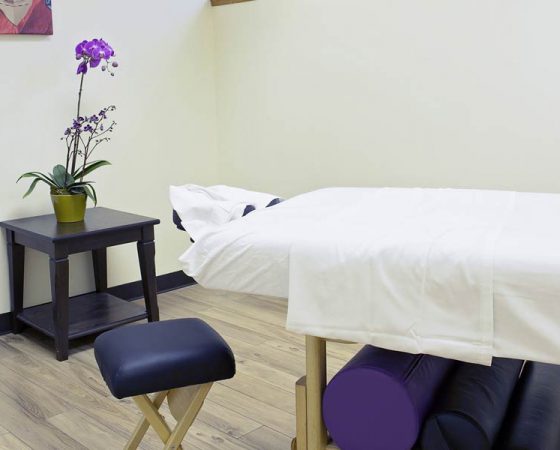
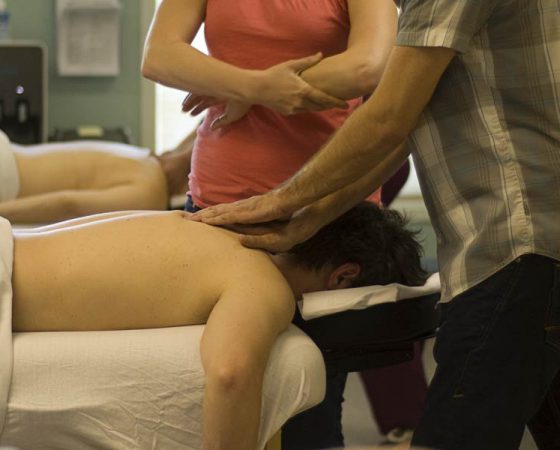
Spa massage and relaxation therapySwedish therapeutic massage is the technique most often associated with spa or relaxation therapy, though you may include hydrating wraps and aromatherapy oils. You'll be working with individuals from all facets of life to enhance quality of health and manage a variety of conditions. Spas generally cater to a largely female clientele so prenatal and postpartum treatments are useful as well.

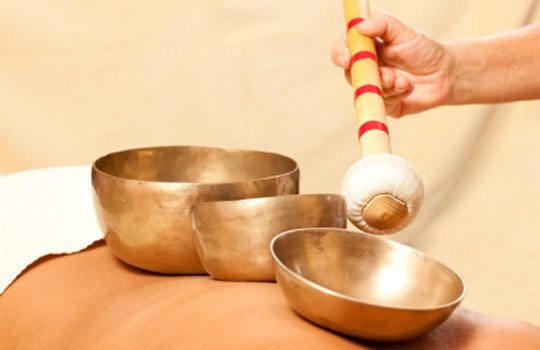
Eastern massageThe focus of Eastern massage is to balance bodily energy to enhance natural healing abilities. In addition to relaxation and pain relief Eastern massage practices also focus on range of motion, calming the mind, and immune system improvement. Thai massage, reflexology, shiatsu, reiki, and chakra balancing are a few of the modalities included. Those with interests in energy work and Chinese medicine will find a good fit in these areas.
When choosing a massage therapy specialty to pursue you should consider your own interests, background, and goals in order to make your career as successful and enjoyable as possible. Consulting massage school instructors will aid you in balancing specialties with the diversity needed to offer a full complement of services to your clientele.
Posted by Sean Miller on Mon, Oct 03, 2011 @ 02:08 PM

Massage Therapy and Reflexology - Promoting a healthy digestion can be possible with reflexology, an alternative to traditional medicine often used to treat a wide range of problems. It involves a trained reflexologist applying pressure primarily to your feet, hands, and ears, stimulating particular zones, or reflex areas that are instrumental in treating specific conditions and improving your overall disposition.
In most cases, one's lifestyle or environment can create a blockage in your Qi, the life force through which the body heals itself. The application of pressure to specific zones can unblock your Qi and allow the body to heal itself. While reflexology makes no recommendation to avoid traditional medicine, those seeking to address a particular digestive condition and promote a healthy overall digestion can benefit from the technique. From chronic constipation to irritable bowel syndrome, many people fail to consider that the solution lies in a consultation with a trained reflexologist.
By promoting the natural healing powers of the human body, reflexologists help the patient leave with a sense of calm and improved well-being. This is the side-effect of an unblocked Qi and the body re-balancing itself. Everyone responds differently to the techniques and it is important to follow the recommendation of the reflexologist.
If you have problems with gallstones, acid reflux or heartburn, you may be a prime candidate for reflexology. However, it is not a quick fix. After the sessions, the reflexologist often develops a treatment plan designed to keep all of your reflex zones working in harmony with one another.